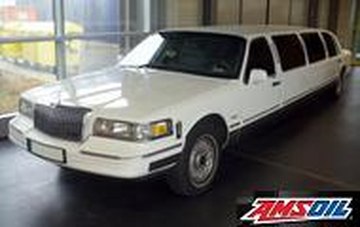
Maintaining Lubrication Standards for the 1982 Lincoln TOWN CAR 5.0L
Proper engine lubrication is a cornerstone of long-term vehicle health, particularly for a classic luxury sedan like the 1982 Lincoln TOWN CAR. The 5.0L engine requires consistent attention to ensure that all moving internal components remain adequately protected against friction and heat. Because this vehicle was manufactured several decades ago, maintenance approaches often shift from simple routine tasks to more observant, condition-based monitoring.
Monitoring Fluid Integrity and Potential Seepage
One of the most effective ways to monitor the health of a 5.0L engine is through regular visual inspections for fluid integrity. Over time, various seals and gaskets may experience changes in their ability to maintain a tight barrier. Rather than assuming a component has failed, owners should look for evidence of seepage or active leaks around the engine block and sealing surfaces.
When performing routine checks, it is helpful to observe the following:
- Surface Seepage: Look for dampness or oily residue on the exterior of the engine components. This can often indicate that a seal is beginning to age.
- Puddle Identification: Check the ground beneath the vehicle after it has been parked for an extended period to see if any fluid is accumulating.
- Fluid Appearance: If you are checking the oil level, take note of the color and consistency. While some darkening is expected as oil ages, extreme discoloration or a gritty texture warrants further investigation.
If you notice signs of leakage, it does not always necessitate an immediate, expensive repair, but it does serve as a signal to monitor the fluid levels more frequently. Addressing minor seepage early can prevent larger issues caused by low lubricant levels.
Observing Changes in Engine Operation
Beyond visual inspections, the way the vehicle behaves during operation can provide clues regarding its lubrication needs. It is important to remember that many different mechanical factors can cause similar symptoms; therefore, any change in behavior should be treated as a prompt for professional diagnosis rather than a definitive conclusion.
An owner might notice changes such as unusual mechanical noises or variations in how the engine responds during startup. While these can be related to various systems, they are often worth investigating in the context of lubrication. Additionally, if you observe any unexpected exhaust smoke, this may indicate that oil is entering the combustion process, which warrants a thorough inspection of the engine's internal state.
If an oil pressure warning indicator illuminates on the dashboard, this is a critical signal that requires immediate attention. Such indicators are designed to alert the driver to potential issues with the lubrication system that could lead to significant mechanical stress if left unaddressed.
Prioritizing Maintenance Based on Vehicle Condition
For an older vehicle like the 1982 Lincoln TOWN CAR, maintenance should be driven by the actual condition of the components rather than just the age of the car. A well-maintained engine may require different attention than one that has experienced inconsistent service history. Establishing a baseline is essential for any owner looking to preserve the longevity of the 5.0L powerplant.
If you do not have access to detailed service records, your first priority should be to document the current state of all vital fluids and components. This includes noting the date and mileage of the last oil change, the condition of any visible hoses or belts (if equipped), and the overall cleanliness of the engine bay. Once a baseline is established, you can more easily identify when a component is deviating from its normal state.
When deciding where to focus your efforts, address active concerns first. This means prioritizing any identified leaks, unusual noises, or overdue service tasks before moving on to purely preventive measures. By focusing on the current reality of the vehicle's condition, you can manage maintenance costs more effectively while ensuring the engine remains protected.
Managing Aging Engine Components
As vehicles age, certain materials naturally undergo changes. Rubber-based components, such as hoses or belts (if equipped), may lose their flexibility or show signs of surface cracking and glazing. While it is not necessary to replace every aging part, regular inspections can help you stay ahead of potential failures.
When inspecting these items, look for:
- Cracking or Fraying: Check accessible belts for any signs of physical deterioration that could lead to a loss of tension or drive capability.
- Hose Integrity: Inspect visible hoses for softness, bulging, or brittleness.
- Electrical Connections: Ensure that wiring and electrical connectors are secure and free from significant corrosion, as clean connections are vital for the various sensors and systems that support engine operation.
By integrating these checks into your routine service, you move from a reactive maintenance style to a proactive one, which is often more efficient for long-term ownership.
The Role of Lubrication in Engine Longevity
Engine oil performs several vital roles that go beyond simple lubrication. It acts as a medium for heat management, helping to carry thermal energy away from high-friction areas within the engine. Furthermore, modern oil formulations are designed with additives that assist in deposit control, helping to prevent the buildup of sludge and other contaminants that can interfere with engine performance.
Maintaining clean and fresh lubricant is essential for ensuring these functions are performed effectively. Contaminants in the oil, such as combustion byproducts or moisture, can degrade the oil's ability to protect surfaces and manage heat. Regular service helps ensure that the chemical properties of the lubricant remain within a range that provides optimal protection for the engine's internal architecture.
Practical Guidance for Buying Engine Oil for your 1982 Lincoln TOWN CAR 5.0L
When it is time to replenish your engine's lubricant, the most important step is to ensure the product you select matches the specific requirements of your application. Because different engines have unique needs regarding chemical composition and protection levels, you should never rely on general assumptions based solely on the vehicle's age or size.
To make an informed purchase for your 1982 Lincoln TOWN CAR 5.0L, follow these steps:
- Consult Application Data: Always refer to the specific viscosity and application information provided on this webpage. This is the most accurate way to ensure you are using a lubricant that meets the needs of your engine.
- Verify API Certification: Check the product label to ensure it carries the appropriate API (American Petroleum Institute) certification for current service standards.
- Consider Formulation Types: Depending on your specific maintenance goals and the condition of your engine, you may choose between conventional, synthetic blend, or full synthetic oils. Some owners also opt for high-mileage formulations, which contain additives intended to help maintain the integrity of aging seals.
- Inspect the Label: Before completing your purchase, double-check that the SAE viscosity grade on the bottle matches the information listed in your vehicle's application guide.
By matching the oil to the specific instructions provided for your 5.0L engine, you provide the best possible environment for continued reliable operation.